Most cyclists upgrade in the wrong order. They chase lighter components, swap handlebars, or spend hours agonising over saddle choices, when a few targeted changes would have made a much bigger difference for a fraction of the cost. These are the five road bike upgrades that are genuinely worth your money, ordered from the cheapest quick win to the one most people skip entirely. Spoiler: we saved the best for last. If you are looking for the most impactful road bike upgrades bang for buck, the answer probably is not what you expect.
Affiliate disclaimer: Some links in this post are affiliate links. If you buy through them, Even Splits Lab earns a small commission at no extra cost to you.
Key Takeaways
- TPU tubes save 60+ grams per wheel and pack down to nothing — cheap, practical upgrade
- Carbon wheels do not have to cost a fortune. A solid pair starts around $500 CAD
- A radar like the Garmin Varia changes how safe solo riding feels, especially on busy roads
- Premium tubeless tires like the GP5000 or Pirelli P-Zero improve speed, comfort, and puncture resistance
- A professional bike fit is the most overlooked upgrade of all — and in Canada, it may be mostly covered by insurance
1. TPU Tubes: Cheapest Weight Saving You Can Make
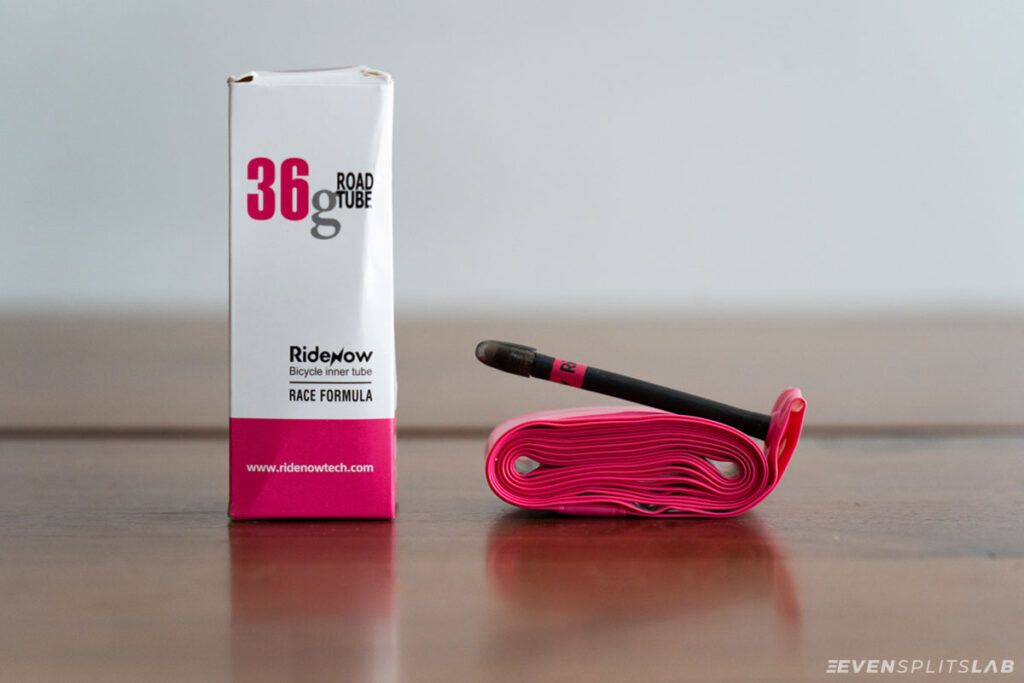
A standard butyl inner tube weighs around 100 grams. A RideNow TPU tube weighs 36 grams. That is 64 grams saved per wheel, or about 128 grams for the pair, and because it is rotational weight, the difference in feel is bigger than the number suggests.
TPU (thermoplastic polyurethane) tubes also pack down to roughly the size of a folded sock. They fit in a jersey pocket, a small saddle bag, or the back of a kit pocket without taking up any real space. I carry one as my backup tube even though I ride tubeless now. If the sealant does not hold, I want something small and light to get me home, and a TPU tube is ideal for that.
The main knock on cheap TPU tubes is fragility. Some riders report more punctures than with butyl, and they are harder to patch on the roadside. Fair. But for the price, the weight saving, and the convenience as a backup, they are a no-brainer addition to any kit bag.
If you want more peace of mind on durability, there are premium TPU options worth knowing about. Pirelli makes the P Zero Smartube and Continental has their own ContiTPU tube — both from brands with a long track record in cycling. They cost more than RideNow, but you are paying for a bit more confidence in the material. Personally, I have never had an issue with the RideNow tubes, so I have not felt the need to switch.
What to buy: RideNow 700c road tube (36g). Available on Amazon for around $10–15 per tube.
Cost: ~$10–15 CAD per tube
2. Carbon Wheels: More Accessible Than You Think
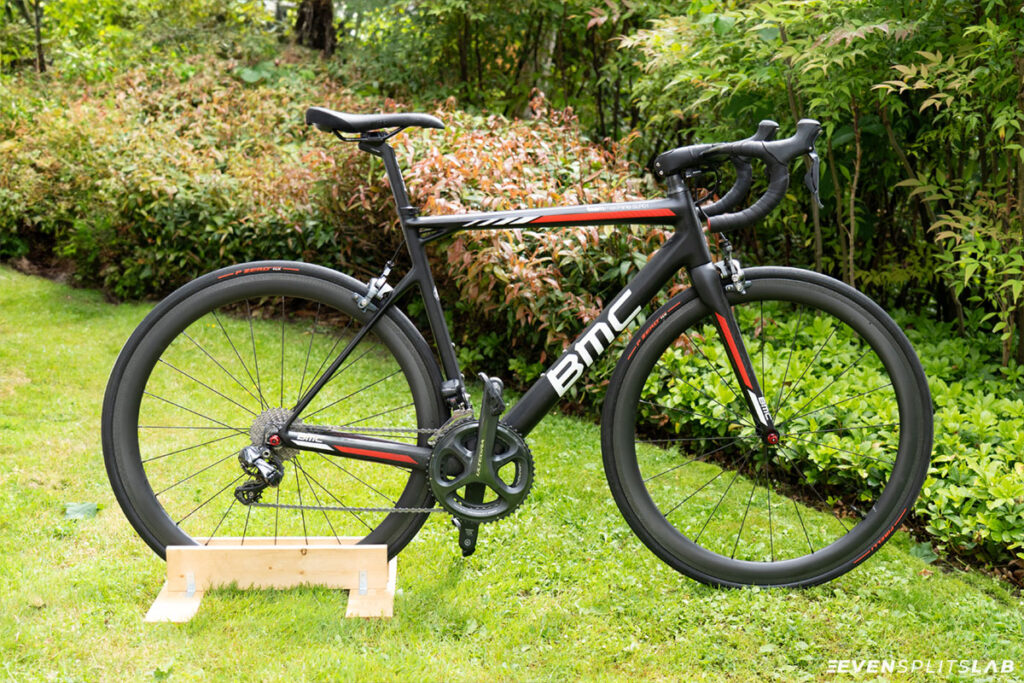
Carbon wheels have a reputation for being expensive, and the top-end sets absolutely are. But you do not need to spend $3,000 to get a solid pair. A decent set of carbon clincher or tubeless-ready wheels starts around $500–1,200 CAD, which puts them in reach for a lot of riders who have been putting this off.
The honest truth about carbon wheels is that part of the appeal is visual. They make any bike look more serious. But there are real performance gains too: lighter rotating weight, marginally better aerodynamics on deeper-section rims, and a livelier feel underfoot when you accelerate or climb.
One strong note: do not buy carbon wheels used. Unlike an aluminium wheel that will show visible damage if it has taken a serious impact, carbon can fail in ways that are not obvious on inspection. The risk is not worth saving a few hundred dollars.
Cost: ~$500–1,200 CAD for a decent new pair
Tip: Look for brands like Light Bicycle, Elite Wheels, or Superteam for better value without compromising on quality. All three sell direct. Light Bicycle tends to sit at the higher end of that range or just above, but Elite and Superteam are solid options closer to the $500–800 CAD mark.
3. Rear Radar: Underrated Safety Upgrade
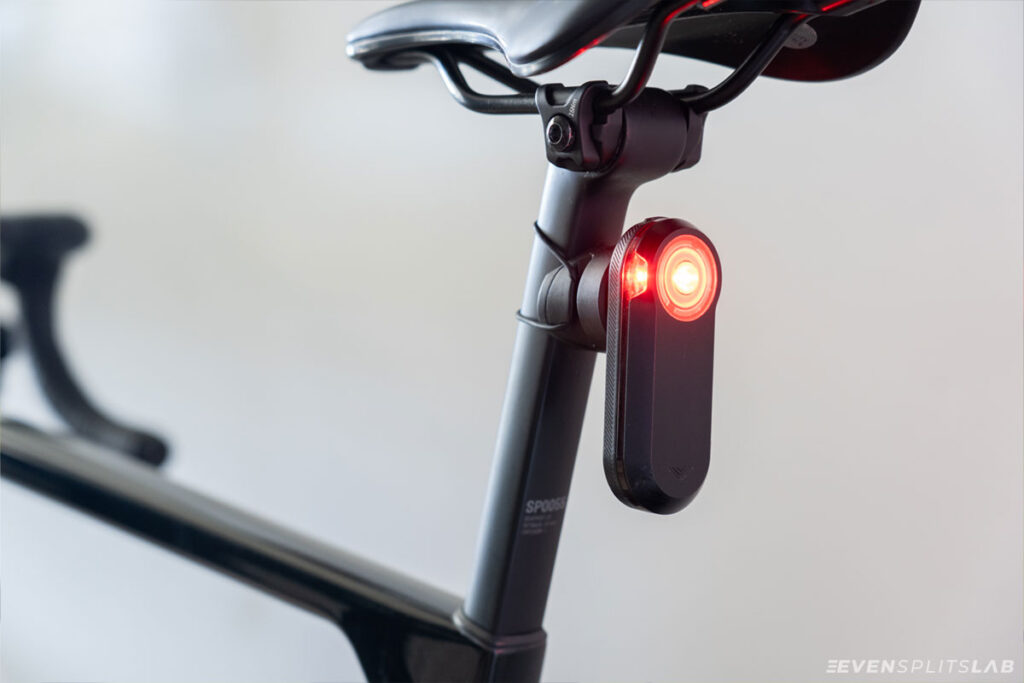
A rear radar is not a performance upgrade in the traditional sense. It will not make you faster. But it will change how relaxed you feel on roads that have traffic, and that matters more than most people admit.
I ride with a Garmin Varia RTL515 (the one without the camera) and honestly I feel uncomfortable going out without it now. The Varia detects cars from a long distance behind you and alerts your Garmin head unit as they approach. On a busy road with no shoulder, or on a descent where wind noise drowns out everything, that early warning is genuinely useful. No more being surprised by a car appearing out of nowhere.
There are a few options in this space. The Garmin Varia is the most established, with solid integration for Garmin head units. Wahoo and others have entered the market too. Some models include an integrated camera if you want to record your rides for additional security.
If you do most of your riding solo on roads with traffic, this is probably the upgrade you will thank yourself for most in the first month.
What to buy: Garmin Varia RTL515 (no camera) or RCT715 (with camera). Compatible with most bike computers.
Cost: ~$200–350 CAD depending on model
4. Premium Tubeless Tires: Where Speed Actually Comes From
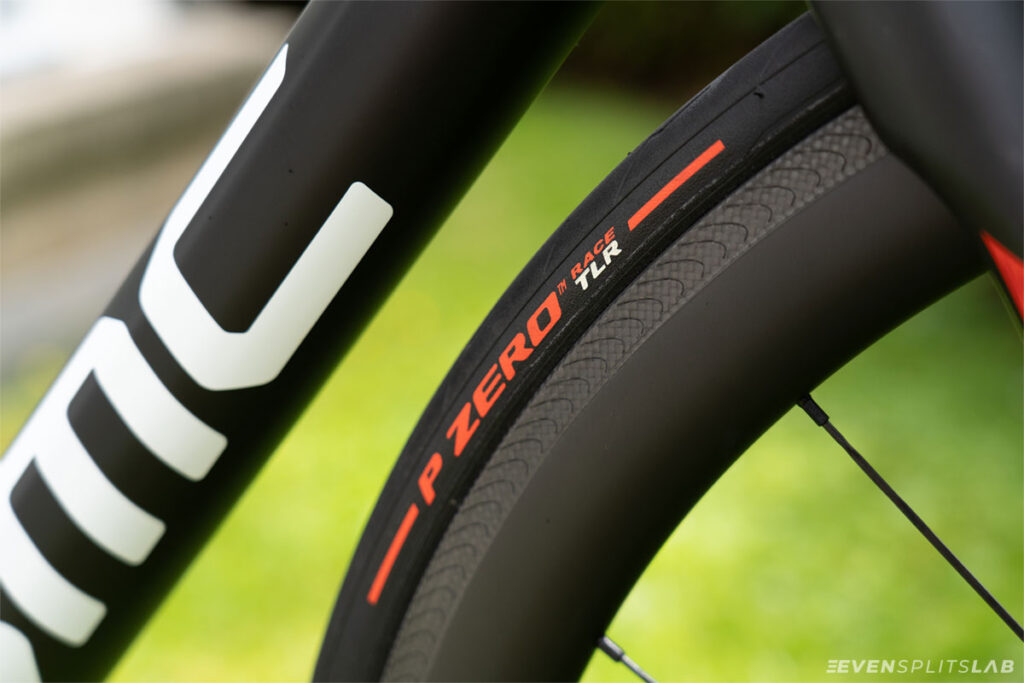
Tires are the single most impactful contact point on your bike. They affect rolling resistance, comfort, grip, and puncture protection all at once. And yet a lot of riders are still running whatever came stock on their bike.
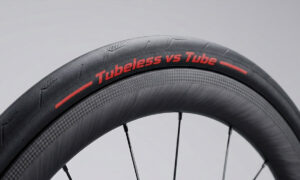
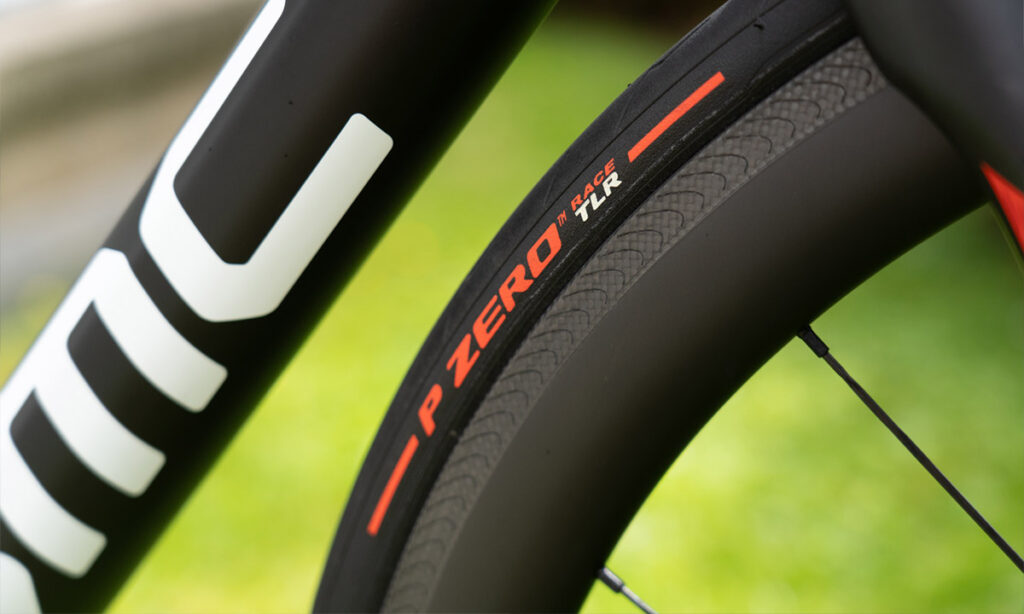
Going tubeless is worth it on its own: no pinch flats, lower pressure for better grip and comfort, sealant handles small punctures automatically. But the tire itself matters too. I have ridden both the Continental GP5000 TL and the Pirelli P-Zero Race TLR, and both are in a different league from most stock tires.
Continental GP5000 TL
The GP5000 has been a benchmark tire for years. Low rolling resistance, excellent cornering grip, and the BlackChili compound gives it a particularly planted feel in corners. It comes in 25c, 28c, and 32c. I ride 28c and would not go back to 25c on most road surfaces.
Pirelli P-Zero Race TLR
The Pirelli has a softer feel and tends to roll a touch faster on smooth tarmac. It is also a bit lighter. Both are genuinely excellent choices and the right answer mostly comes down to personal preference and availability.
Premium tubeless tires run $80–120 CAD each, so a pair is a real spend. But no other single change will improve how your bike rides as noticeably.
Cost: ~$80–120 CAD per tire
For more on race-day gear decisions, see our guide to triathlon gear for beginners at evensplitslab.com/triathlon-gear-beginners/.
5. A Professional Bike Fit: The Upgrade Nobody Talks About
Here is the thing about bike fit: it is not technically an upgrade to your bike. You are not bolting anything on. But it is almost certainly the highest-return investment you can make as a cyclist, and most riders skip it entirely.
I changed saddles three times before getting a professional fit. At the time, I was sure the discomfort on longer rides was a saddle problem. So I tried chamois cream, switched bibs, and kept tweaking. None of it fully fixed it. Then I got fitted by a professional, and the difference was immediate. Night and day. It turned out the saddle was never the issue. It was just the fit.
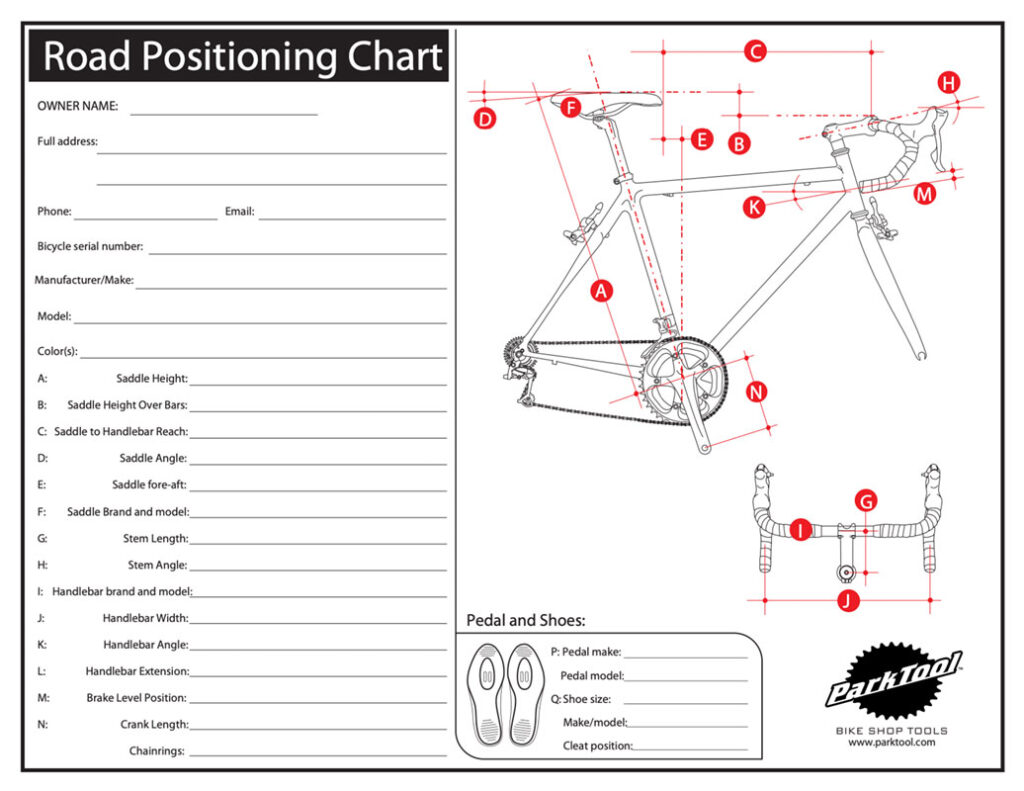
A professional bike fit involves a fitter assessing your position on the bike: saddle height, fore-aft position, cleat alignment, handlebar reach, and drop. Small adjustments in multiple areas add up to a dramatically different riding experience. Comfort improves, power transfer improves, and injury risk drops.
A professional bike fit in Canada usually runs $200–400 CAD. That might feel steep for something you cannot bolt onto your bike, but consider what most people spend chasing the wrong fix: three saddles, two pairs of bibs, a chamois cream phase. The fit would have been cheaper.
If you are in Canada and have extended health benefits, it is worth looking for a fitter who is also a registered physiotherapist. The session will usually start with a proper physical assessment: they check your flexibility, identify muscle imbalances, and flag any movement limitations before they touch your bike setup. Then they fit the bike around what your body can actually do, rather than just measuring stack and reach. My fit was covered at about 80% through extended health, which brought a $300 session down to roughly $60 out of pocket. Check your plan before booking, and specifically ask whether the fitter holds a physiotherapy designation.
If you have been tweaking your setup, changing parts, or riding through nagging discomfort for more than a few months, get a fit before you buy anything else.
Cost: ~$200–400 CAD. Potentially $40–80 CAD out of pocket if your extended health plan covers physiotherapy.
FAQ
TPU inner tubes. At around $10–15 CAD per tube, they save 60+ grams of rotational weight per wheel and pack down small enough to carry anywhere. The improvement is noticeable on climbs and accelerations.
It depends on the rest of your setup, but a good pair of carbon wheels starting around $500–1,200 CAD can meaningfully improve how a mid-range bike feels and performs. Just buy new, not used.
For solo road riding with any meaningful traffic, yes. The ability to detect approaching cars well in advance is more useful than it sounds, especially at speed when wind noise makes it impossible to hear what is behind you.
Usually $200–400 CAD. If the fitter is also a registered physiotherapist, the session may be largely covered under extended health benefits. Check your plan and ask specifically about physiotherapy coverage before booking.
Both are excellent. The GP5000 is slightly more grippy in corners; the P-Zero is marginally lighter and feels faster on smooth surfaces. Either is a major step up from stock tires.
Related Posts
If you are dialling in your setup for a triathlon, read: Triathlon on a Budget: The Minimum Gear You Actually Need
For training structure to match your new setup: How to Read Your Heart Rate Zones (and Why Most People Get Them Wrong)
Sources
- Continental GP5000 product page — continental-tires.com
- Pirelli P-Zero Race TLR product page — pirelli.com
- Garmin Varia RTL515 — garmin.com