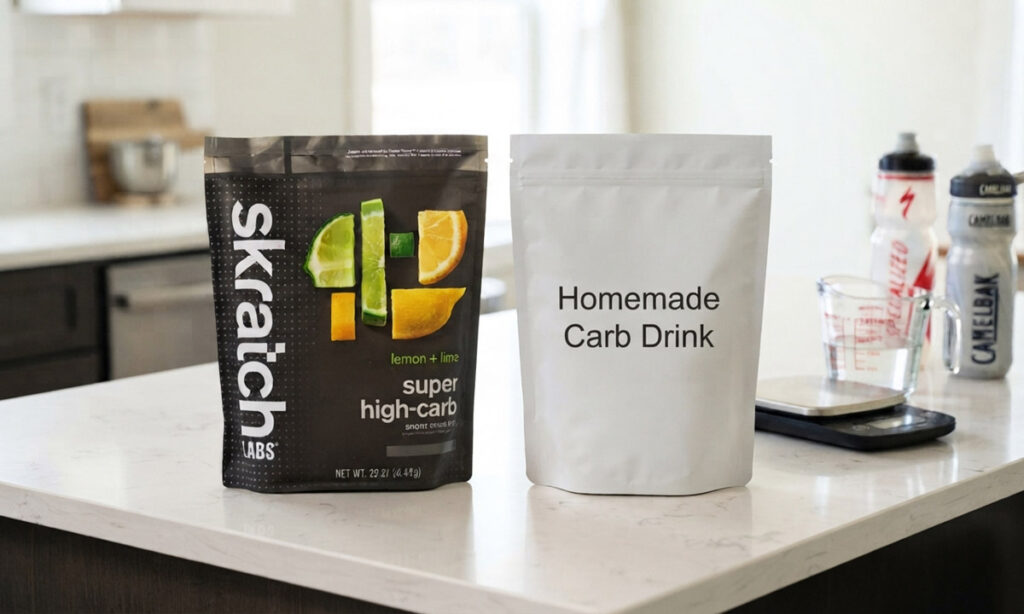
Store-bought carb drinks add up fast once you’re training more than a few hours a week. A single serving of Precision Fuel PF60 or Maurten Drink Mix 160 runs $3 to $5, and if you’re doing back-to-back long rides or brick sessions, that adds up over a season. I started mixing my own a while back mostly to save money, then kept doing it because it actually works. This post breaks down five popular options I’ve tried or would consider, plus exactly what it costs to make your own homemade carb drink.
This post contains affiliate links. If you buy something through one, I may earn a small commission at no extra cost to you.
TL;DR
My homemade carb drink, a 2:1 blend of maltodextrin and fructose with electrolytes added, costs roughly a third of what most bottled mixes charge per gram of carbohydrate. It uses the same glucose to fructose ratio that brands like Precision Fuel build their formulas around, just without the packaging markup. Whether that saving is worth the extra five minutes of prep depends on how you train.
Key Takeaways
- A homemade carb drink at a 2:1 maltodextrin to fructose ratio costs about $3 per 100g of carbohydrate, versus $5 to $9+ for the bottled mixes I compared
- That ratio isn’t arbitrary. It’s close to what research on multiple transportable carbohydrates points to for maximizing how much carb your gut can absorb per hour
- Tailwind’s caffeinated mix was the closest bottled option to DIY pricing. Precision Fuel PF60 was the most expensive per gram, mostly because it’s also carrying a full 1,000mg sodium dose
- Electrolytes are the one place DIY gets more expensive than it needs to. Drop them or go half a sachet and the cost falls further
- None of this makes bottled mixes a bad buy. It tells you what you’re actually paying for
Why 2:1 maltodextrin to fructose actually works
Your gut absorbs glucose and fructose through two separate transporters. Load up on straight glucose or maltodextrin alone and you’ll hit a ceiling around 60g of carbs an hour before your stomach starts complaining. Add fructose alongside it and you’re using a second pathway, so total absorption goes up and gut distress tends to go down. I went through the research in more detail in my glucose to fructose ratio post. Short version: somewhere around 2:1 glucose (or maltodextrin) to fructose is where most of the research, and most commercial products, land, based on work out of the University of Birmingham on multiple transportable carbohydrates.
How I’m comparing these
Cost per 100g of carbohydrate, priced at bulk or bag rates rather than single sachets, since that’s how most of us actually buy training fuel. I’m also noting sodium content, because that’s the other variable that swings a lot between these, and it changes how you’d actually use each one.
5 carb drinks, plus the DIY one
Skratch Labs Super High-Carb Sport Drink Mix
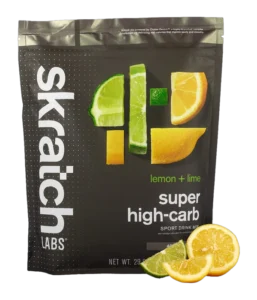
Two scoops gets you 50g of carbs in 500ml, built on cluster dextrin (a branched maltodextrin) with fructose. Mild lemon-lime, easy to drink even late into a long ride. Works out to about $5.24 per 100g of carbs at the 8-serving bag price, with 200mg of sodium per 50g dose.
Skratch Labs Super High Carb Sport Drink Mix →
Maurten Drink Mix 160
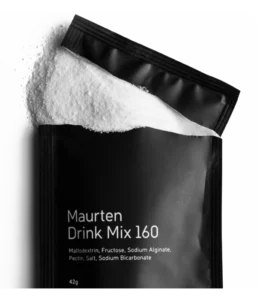
40g of carbs per 500ml sachet, roughly a 1:0.7 maltodextrin to fructose ratio, completely neutral taste. It’s the product most people default to, and for good reason. The tradeoff is sodium: around 157mg per serving, low if you’re a heavy sweater. Comes out to roughly $8.61 per 100g of carbs, the priciest bottled option here per gram.
Precision Fuel PF60
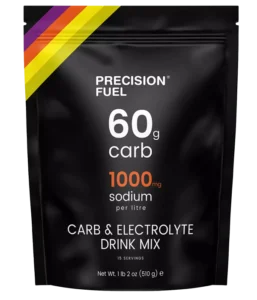
60g of carbs and 1,000mg of sodium per litre (four scoops), built on a stated 2:1 glucose to fructose ratio, same as my own mix. Good neutral flavour. It’s also the most expensive option here per gram at roughly $9.33 per 100g, but that figure includes a real electrolyte dose, not a token amount, so it’s doing two jobs at once. If you want the deeper dive on how much sodium you actually need per hour, I covered that in the sodium intake during a race post.
Precision Fuel PF60 Carb & Electrolyte Drink Mix →
Tailwind Nutrition Caffeinated Endurance Fuel
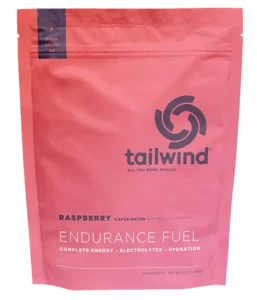
Haven’t used this one myself, but it’s worth including. 25g of carbs per scoop from dextrose and sucrose rather than maltodextrin and fructose, 310mg of sodium, and 35mg of caffeine per scoop. At roughly $3.44 per 100g of carbs, it’s the cheapest bottled mix here by a decent margin, and the closest any of them get to DIY pricing.
Tailwind Nutrition Caffeinated Endurance Fuel →
Gatorade Endurance Formula
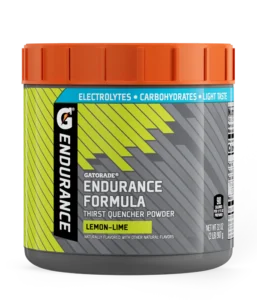
I threw this in as the baseline everyone already has an opinion on. 22g of carbs and 310mg of sodium per 12oz serving, sold everywhere from grocery stores to gas stations. It works out to about $7.38 per 100g of carbs, more expensive per gram than Tailwind despite being the least “premium” name on this list. Good reminder that mainstream doesn’t automatically mean cheap.
My homemade carb drink recipe
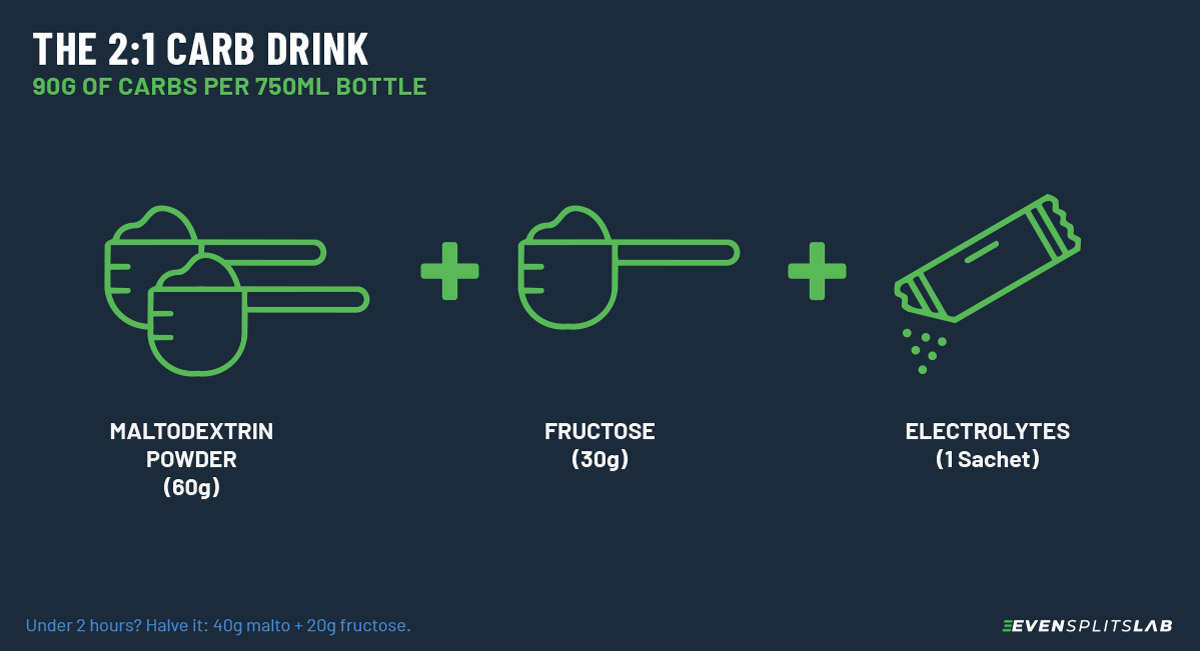
For anything past two hours, I mix 60g maltodextrin and 30g fructose into a 750ml bottle, 90g of carbs at a 2:1 ratio, plus one electrolyte sachet. I use LMNT (1,000mg sodium, zero sugar or carbs, so it’s not adding to the 90g), mostly for the flavour as much as the sodium, since straight maltodextrin and fructose are sickly sweet on their own and the salt cuts through it enough to make it drinkable. For shorter sessions I’ll drop to 40g maltodextrin and 20g fructose in the same 750ml bottle, same ratio, less total carb. If you want to compare drink-mix electrolytes against tabs and other formats, that’s covered in the electrolyte powder vs. sports drink post.
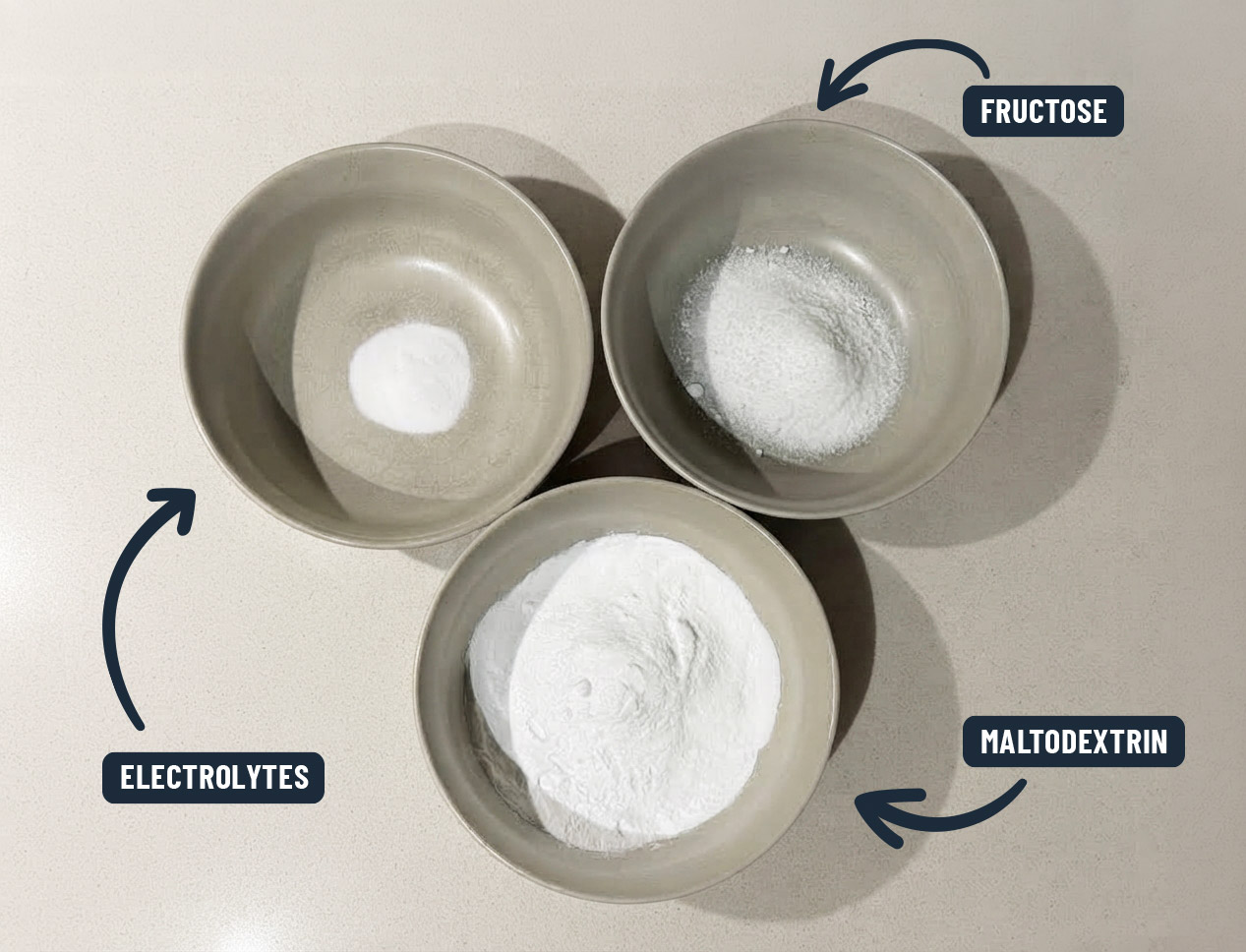
Nutricost Maltodextrin Powder, 4lb →
LMNT Zero Sugar Electrolytes →
What it actually costs
Same comparison, side by side. Prices are pulled from Amazon and brand sites at time of writing and shift constantly, so treat these as directional rather than exact.
| Drink | Carbs | Sodium | Cost (USD)/100g carb |
|---|---|---|---|
| Skratch | 50g/500ml | 200mg | $5.24 |
| Maurten 160 | 40g/500ml | ~157mg | $8.61 |
| PF60 | 60g/1L | 1,000mg | $9.33 |
| Tailwind | 25g/scoop | 310mg | $3.44 |
| Gatorade | 22g/12oz | 310mg | $7.38 |
| DIY + LMNT | 90g/750ml | 1,000mg | $2.95 |
| DIY only | 90g/750ml | ~0mg | $1.28 |
Two things stand out. Tailwind is genuinely competitive with DIY on cost, which wasn’t what I expected going in. And the electrolyte sachet is doing most of the work pushing my own mix’s price up: drop the LMNT and my cost per 100g falls to about $1.38, cheaper than anything else here by a wide margin, though you’d obviously need to get sodium from somewhere else on longer efforts.
Fuel your next long session
Not sure how many carbs you need per hour?
Run your numbers through Our Fuel Strategy Calculator before you start mixing bottles.
A few more things
Can I use table sugar instead of maltodextrin and fructose?
Table sugar (sucrose) is already roughly 50/50 glucose and fructose, so it’s not a bad substitute in a pinch, and it’s essentially what Tailwind uses. You lose some control over your exact ratio, and maltodextrin’s glucose polymers digest a bit more gently for a lot of people than straight table sugar, but sucrose will work.
Will a DIY mix upset my stomach?
Same rule as any new fuel: test it in training before you rely on it for a race. The ratio is the same one proven products use, but everyone’s gut tolerance is different.
Where do I store the bulk powder?
Airtight containers, out of direct sun. Both maltodextrin and fructose are shelf-stable for a long time as long as they stay dry. Humidity is really the only thing that ruins a big bag.
Sources
Jeukendrup, “The Optimal Ratio of Carbohydrates” — mysportscience.com
GSSI SSE-108, “Multiple Transportable Carbohydrates and Their Benefits”