Buying gear for a runner sounds easy until you realize they probably already own the essentials. The shoes are sorted. There’s a drawer full of race shirts they’ll never wear again. The GPS watch has been on their wrist since their third half marathon. What they’re missing is the stuff that fills the gaps: the small upgrades that never quite make the priority list but get used week after week. If you’re looking for gifts for runners that are practical, specific, and a lot more useful than another water bottle, this list is it.
Affiliate Disclaimer: Some links in this post are affiliate links. If you purchase through them, Even Splits Lab may earn a small commission at no extra cost to you. We only recommend gear we’d actually use.
TL;DR
The best gifts for runners aren’t the obvious ones. They’re the stuff that fills the gaps. Think a soft flask that fits any vest pocket, a foam roller that actually gets used, bone conduction headphones that let you hear traffic, and a chest strap that makes your heart rate data reliable. This list covers gifts for runners at every budget, from under $20 to a worthwhile splurge.
Key Takeaways
- A soft flask is the most versatile, packable hydration option for any run length
- A quality foam roller gets used more than almost any other recovery tool
- Bone conduction headphones let you hear traffic without sacrificing music
- The Garmin HRM-200 delivers accurate heart rate and HRV data at a price that makes sense for most runners
- A race medal and bib display is one of those gifts for runners they want but rarely buy themselves
What Makes a Good Gift for Runners
Most runners already have shoes, a watch, and more race shirts than they’ll ever wear. The gaps are elsewhere: the recovery tools they keep skipping, the accessories that make training more comfortable, the small upgrades that never quite justify a solo purchase. That’s what this list is.
Running Belt
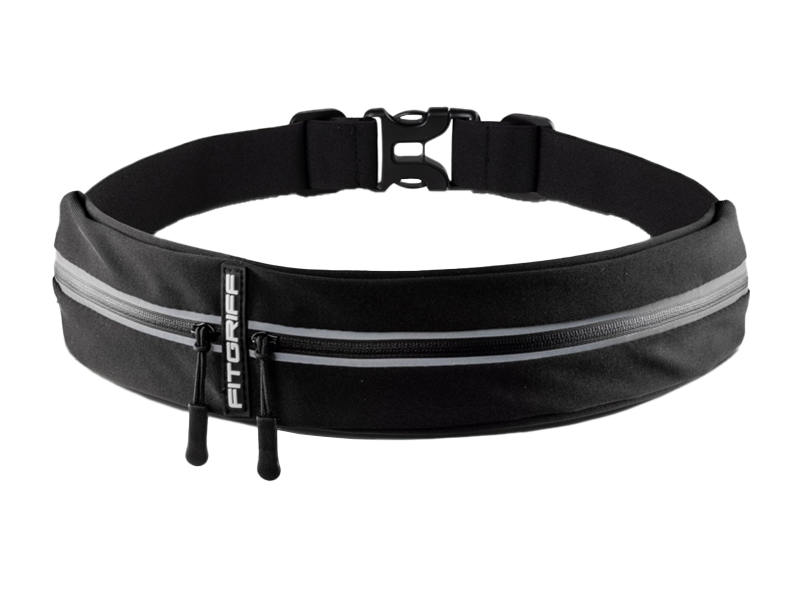
Keys, phone, gels. They all need somewhere to live on the run. Most runners solve this by stuffing their pockets or awkwardly holding their phone for 10 km, neither of which is ideal. The Fitgriff Running Belt wraps around the waist and stays put without bouncing. It’s water-resistant, stretchy, and fits most phone sizes including larger models. The zipper opens one-handed while moving, which sounds minor until you actually need it at kilometre 18. A solid low-cost fix for a surprisingly common problem.
HydraPak SoftFlask
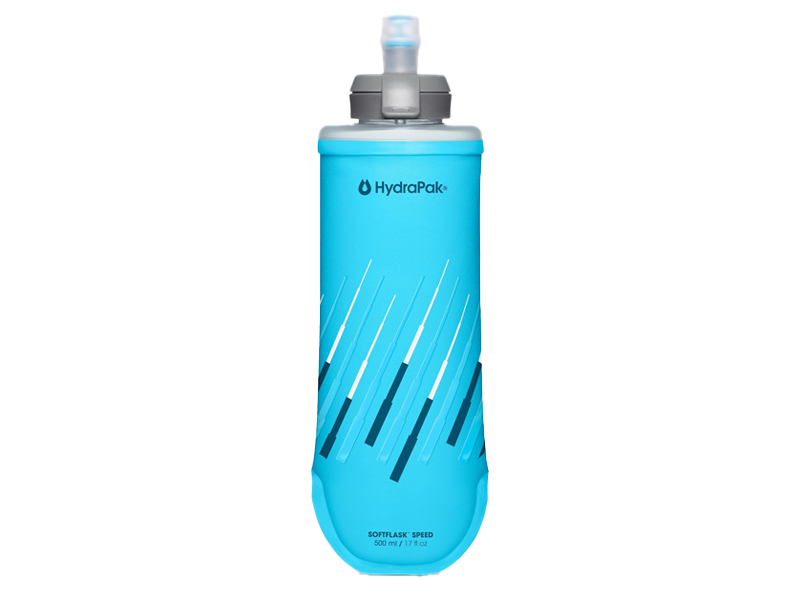
A soft flask is one of those things that sounds unnecessary until you actually use one. The HydraPak SoftFlask Speed compresses as you drink, so there’s no sloshing and no dead weight once it’s empty. It fits the side pockets of most hydration vests and running packs, and the easy-open cap works without breaking stride. At 500ml it’s the right size for training runs of 60 to 90 minutes without committing to carrying a full pack. If they already have a vest, this is an immediate upgrade.
Precision Fuel PF30 Energy Gels
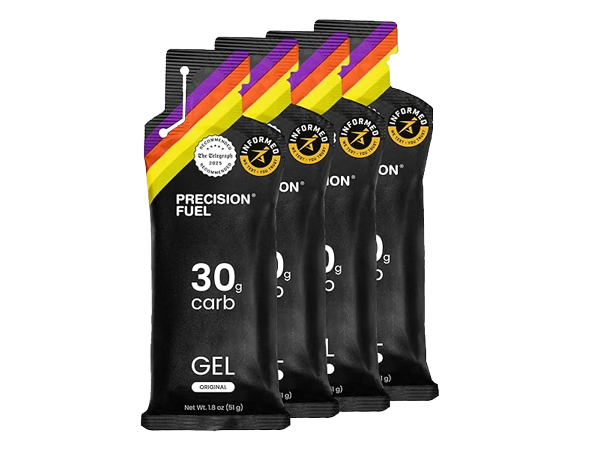
Most runners have a gel brand they default to without ever thinking too hard about whether it’s actually working for them. The Precision Fuel PF30 gels are worth trying: 30g of carbohydrates per gel, designed around the science of dual-source carb absorption (glucose and fructose in a 2:1 ratio), and developed by a sports nutrition company that works with elite athletes. The texture is thinner than a lot of gels on the market, which makes them easier to take without water. If they’re training for a half or full marathon and haven’t dialled in their fuel strategy yet, this is a good place to start. More on how to pick the right gel in The 10 Best Energy Gels for Runners and Cyclists.
Race Medal and Bib Display
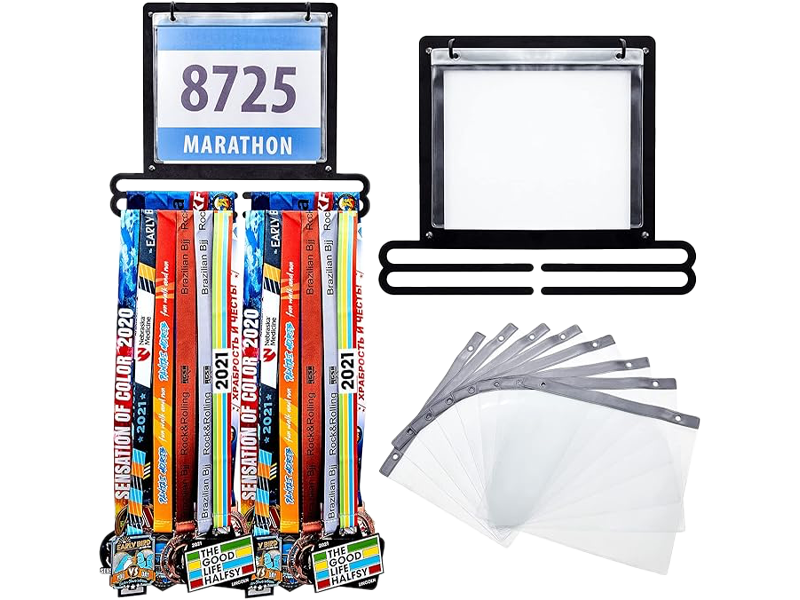
Race medals end up in a drawer or a box within about a week of the finish line. That’s not because runners don’t care about them. It’s because nobody wants to figure out how to display them. The Moxweyeni Race Medal and Bib Display solves that. It’s a wall-mounted rack that holds medals on hooks and keeps bibs behind a display panel in the same frame. The result is something that actually looks good on a wall instead of cluttering a shelf. Runners want this. Most of them just never get around to buying it themselves.
Foam Roller
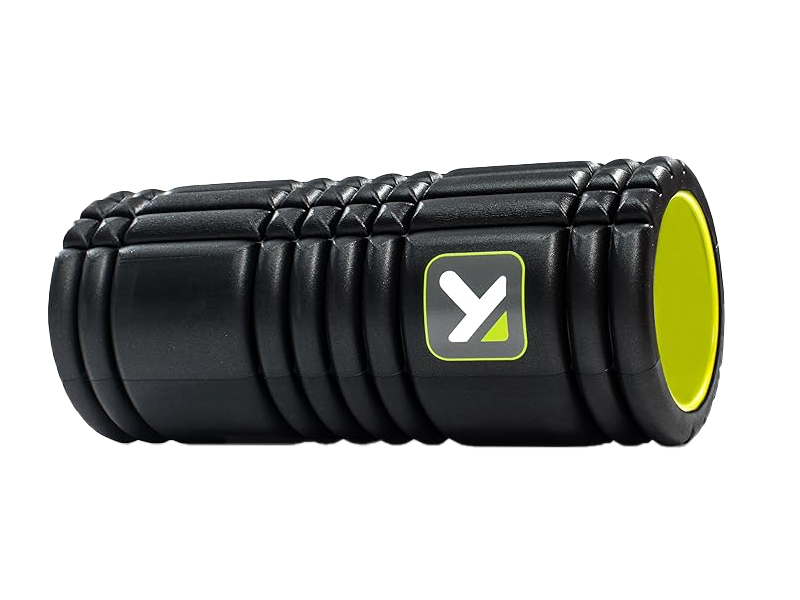
A foam roller is one of the most recommended and least-owned pieces of recovery kit. The TriggerPoint Grid 1.0 foam roller is the one that actually gets used. The multi-density surface mimics the feel of a massage therapist’s hands and covers IT bands, quads, calves, and thoracic spine without the roller collapsing under body weight (which cheaper versions do). At 13 inches it’s compact enough to keep by the couch rather than buried in a closet. Recovery is the part of training most recreational runners skip. This makes it easier to start.
Recovery Compression Socks
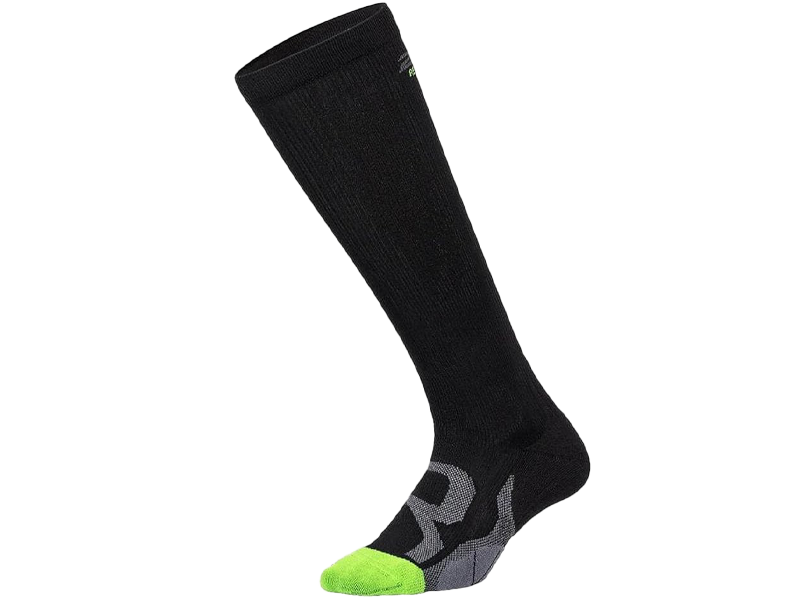
Compression socks have years of research behind them and an unfortunate reputation for looking like something your grandparents wear to the airport. The 2XU Recovery Compression Socks are the exception. They’re designed specifically for post-run recovery: graduated compression that’s tighter at the ankle and lighter at the calf, which supports circulation and helps clear lactate faster after hard efforts. Worth wearing on long travel days before races too. A pair of these is the kind of gift a runner uses more than they expect to.
80/20 Running by Matt Fitzgerald (Book)
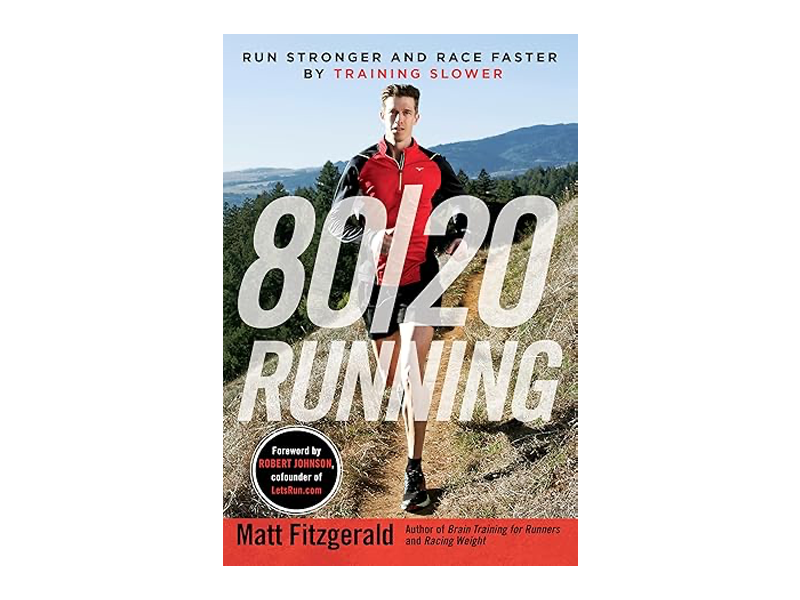
Most recreational runners run too hard on easy days and not hard enough on hard days. That’s the short version of why a lot of people plateau. 80/20 Running by Matt Fitzgerald makes the case for polarised training in plain language: 80% of your runs at low intensity, 20% at moderate or high. The book includes training plans, but the bigger value is the shift in how you approach every session. If the runner in your life trains without a coach and has hit a wall, this is the most practical thing you could give them. Worth pairing with a heart rate monitor so they can actually measure their zones.
Shokz OpenRun Bone Conduction Headphones
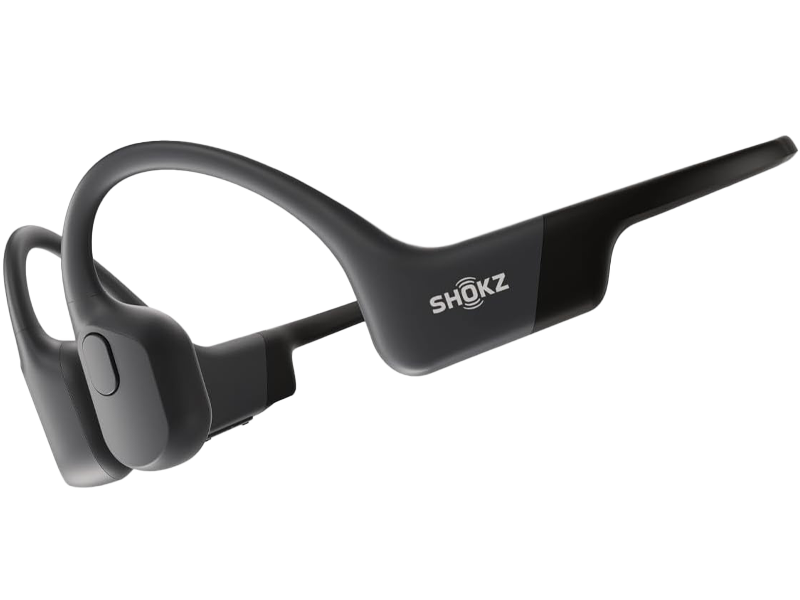
Running with earbuds in means you can’t hear traffic, cyclists calling out, or anyone trying to get your attention on a trail. The Shokz OpenRun solves that with bone conduction audio: the speakers sit in front of your ears and transmit sound through your cheekbones, leaving your ear canals completely open. Sound quality is good enough for podcasts and music on runs, and the open-ear design means you stay aware of your surroundings without having to make a choice between safety and sound. Battery life is around 8 hours. IP55 rated, so sweat and light rain aren’t a problem. A genuine upgrade over whatever earbuds they’re currently using.
Running Hydration Vest
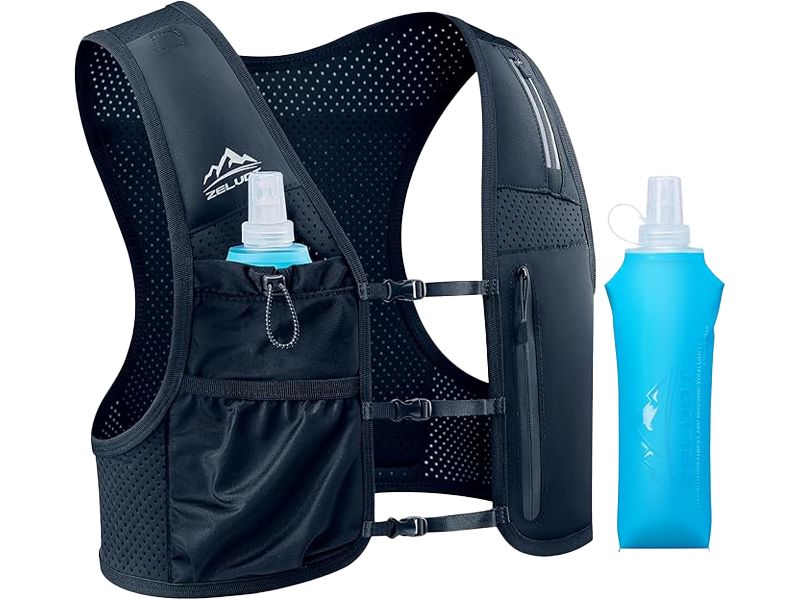
For runs over 90 minutes, a hydration vest is more practical than any waist-mounted option. The Zelvot Running Hydration Vest comes with a 500ml soft flask included and has adjustable chest straps that keep it fitted without bouncing regardless of torso size. It’s lightweight and reflective, which matters for early morning or evening runs. There’s enough pocket space for nutrition, a phone, and a jacket if you’re heading out on trail. The USA original patent on the strap design means it actually adjusts to fit right, not just in the photos. If they’re training for a trail race or getting into longer distances, this is the piece they’re probably missing.
Garmin HRM-200 Heart Rate Monitor
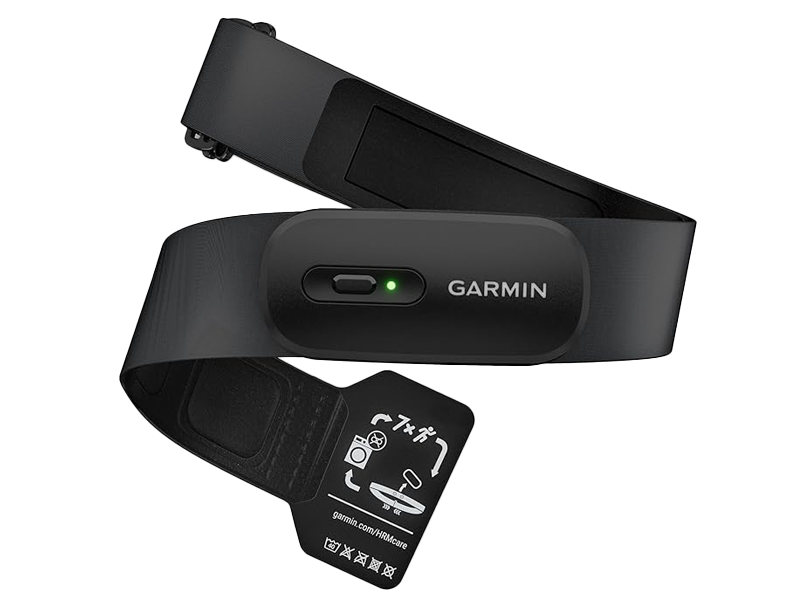
Wrist-based heart rate is convenient. It’s also less accurate than a chest strap, especially during high-intensity intervals or strength work where wrist movement throws off the optical sensor. The Garmin HRM-200 is Garmin’s best-value chest strap and the one most runners actually need. It tracks heart rate and heart rate variability data in real time and syncs to any compatible Garmin watch, Edge cycling computer, or fitness app via ANT+ and Bluetooth. Battery life is up to a year on a standard CR2032, which means no charging cables and no mid-training surprises. It doesn’t have running dynamics or onboard recording (those are HRM-Pro Plus features at a higher price point), but for training to zones and getting accurate data during intervals, it does everything that matters. Pairs well with the 80/20 approach in the book above.
Keep Reading
If you’re shopping for someone who does triathlon as well as running, a lot of these picks carry over. See the full list in 10 Triathlon Gift Ideas That Actually Get Used.
If the runner you’re buying for is still figuring out race nutrition, start with The 10 Best Energy Gels for Runners and Cyclists, which breaks down the top options by taste, texture, and carb source.
FAQ
Focus on the consumables and training tools that tend to fall through the cracks. A box of Precision Fuel gels, a recovery foam roller, or a bone conduction headphone upgrade are all practical and genuinely useful without duplicating what they already own.
A running belt, a HydraPak soft flask, a foam roller, or a pack of energy gels all come in under $50 and get used on almost every training run. The Fitgriff running belt in particular is one of those things most runners should already have.
Yes, especially for road running or anywhere with traffic. The open-ear design means you can hear your surroundings without sacrificing audio. Sound quality is slightly below a sealed earbud at the same price point, but the safety benefit is worth it for most runners.
A hydration vest carries water and nutrition for longer runs, typically 90 minutes or more. It’s more stable than a handheld bottle and holds more than a waist pack. Most come with soft flasks included, and the better ones stay close to your body without bouncing.
For recovery, yes. Graduated compression supports blood flow in the lower legs, which can reduce soreness and swelling after long runs. Wearing them during a run is more debated, but as a post-run recovery tool, the evidence is reasonably solid.