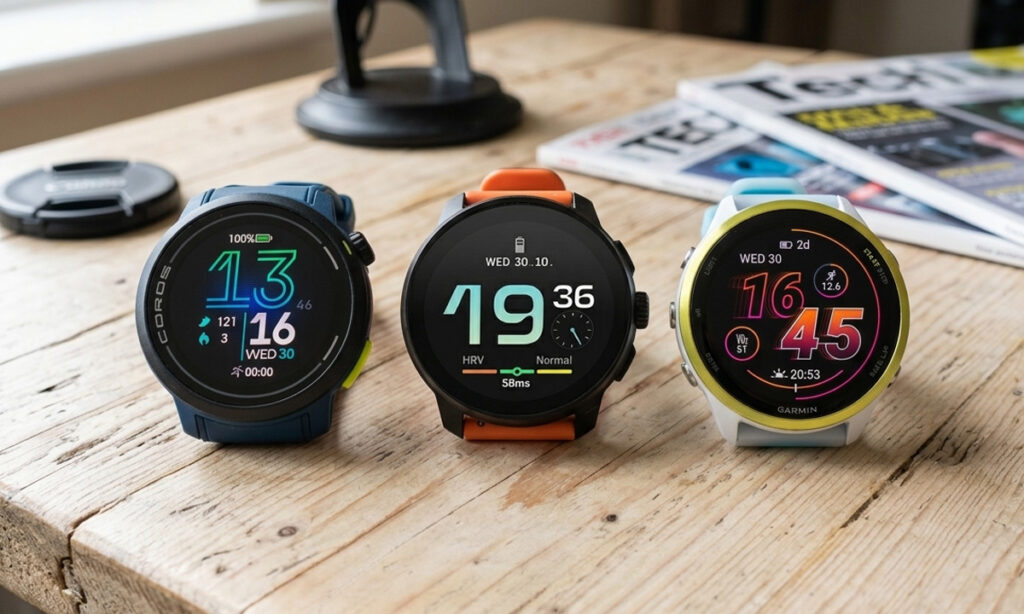
Choosing a GPS watch for triathlon used to mean defaulting to Garmin and spending whatever it cost. That’s no longer true. COROS and Suunto have both released genuinely capable mid-range watches that handle swim-bike-run transitions, dual-band GPS, and real training data. The hard part now is knowing which one is actually worth buying for how you train. This post compares three solid mid-range options: the Garmin Forerunner 570, the COROS Pace Pro, and the Suunto Race S. All three support multisport mode and are the best GPS watches for triathlon in their respective lineups.
Affiliate disclaimer: This post contains affiliate links. If you buy through them, Even Splits Lab earns a small commission at no extra cost to you.
TL;DR
The Garmin Forerunner 570 has the deepest training software and the best ecosystem. The COROS Pace Pro is the best value on the list and offers the longest GPS battery. The Suunto Race S is a well-built middle option with offline maps at a COROS-level price. None of them are a bad choice.
Key Takeaways
- Garmin Connect is still the most complete training platform. If you use TrainingPeaks, Zwift, or Stryd, Garmin plays nicest with all of them.
- COROS offers the most GPS battery life and the best price. The Pace Pro costs $200 less than the FR570 and lasts twice as long in GPS mode.
- Suunto Race S is the only watch here with offline maps at under $430. Build quality is also noticeably better than plastic competitors at the same price.
- All three handle triathlon mode well. Swim-to-bike-to-run transitions work on all of them. This is no longer a differentiator.
- Apple Watch Ultra 2 is not on this list. Battery life and training software depth put it behind all three for serious triathlon use.
The Watches at a Glance
These three watches land in what you could call the “serious recreational” tier. Not entry-level fitness trackers, but also not the flagship models that start at $750+. They are all capable of handling a full sprint-to-Olympic triathlon without drama, and most can cover a half-iron with battery to spare.
The price gap between COROS/Suunto and Garmin is real and worth acknowledging upfront: you’re looking at roughly $200 CAD less for the Pace Pro or Race S. What Garmin charges for is ecosystem depth. Whether that matters to you depends on how deep into training data you actually want to go.
Head-to-Head Comparison Chart
GPS Triathlon Watch Comparison
Garmin FR570 vs COROS Pace Pro vs Suunto Race S
evensplitslab.com
Specs Comparison Table
| Garmin FR570 | COROS Pace Pro | Suunto Race S | |
|---|---|---|---|
| Price | $629.99 CAD ($449.99 USD) | $429 CAD ($299 USD) | $429 CAD ($349 USD) |
| Display | AMOLED 1.3″ | AMOLED 1.3″ | AMOLED 1.32″ |
| Weight | 50g (47mm) | 37g | 52g |
| GPS mode battery | 18 hrs | 38 hrs | 30 hrs |
| Daily battery | 11 days | 20 days | 9 days |
| Dual-band GPS | Yes | Yes | Yes |
| Offline maps | No | Yes | Yes (32GB) |
| Triathlon mode | Yes | Yes | Yes |
| Music storage | Yes | No | No |
| ANT+ | Yes | No | Yes |
| Training platform | Garmin Connect | COROS app | Suunto app |
| HRV tracking | Yes | Yes | Yes |
| Sleep tracking | Yes | Yes | Yes |
| Water resistance | 5 ATM | 5 ATM | 5 ATM |
Garmin Forerunner 570
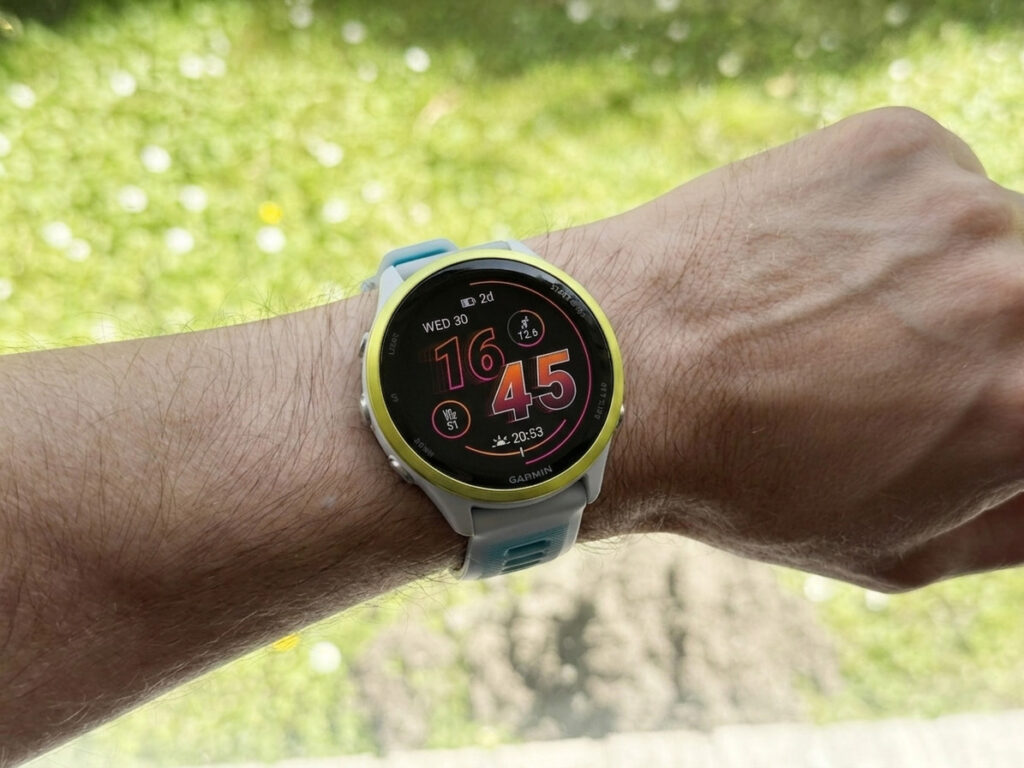
The FR570 launched in May 2025 as the mid-range replacement for the Forerunner 265. It keeps the AMOLED display and five-button layout, adds a speaker and microphone, upgrades to the Elevate Gen 5 heart rate sensor, and brings in Garmin Triathlon Coach. At around $629.99 CAD (~$449.99 USD), it is the most expensive watch on this list.
What makes Garmin worth the premium is Garmin Connect. It is the deepest training platform of the three: detailed load metrics, structured workout support, TrainingPeaks sync, Zwift sync, Stryd compatibility, and a large library of third-party apps through Connect IQ. If you coach yourself using TSS and CTL numbers, or follow a structured plan that syncs workouts to your watch, the FR570 is the only watch here that covers that workflow cleanly.
The Elevate Gen 5 HR sensor is notably more accurate than earlier Garmin sensors, particularly during interval work. HRV Status and Training Readiness are genuinely useful for deciding whether to push or back off on a given day.
The main trade-off is battery. At 18 hours in GPS mode, it will cover an Olympic triathlon comfortably and most half-iron events with a bit of margin, but you’ll be watching the percentage toward the end of anything longer. Garmin also does not include offline maps on the FR570. That’s reserved for the $749 FR970.
Pros
Cons
Best for: athletes who coach themselves with structured data, use TrainingPeaks, or want the deepest training platform of the three.
Where to find: Amazon CA | Amazon US
COROS Pace Pro
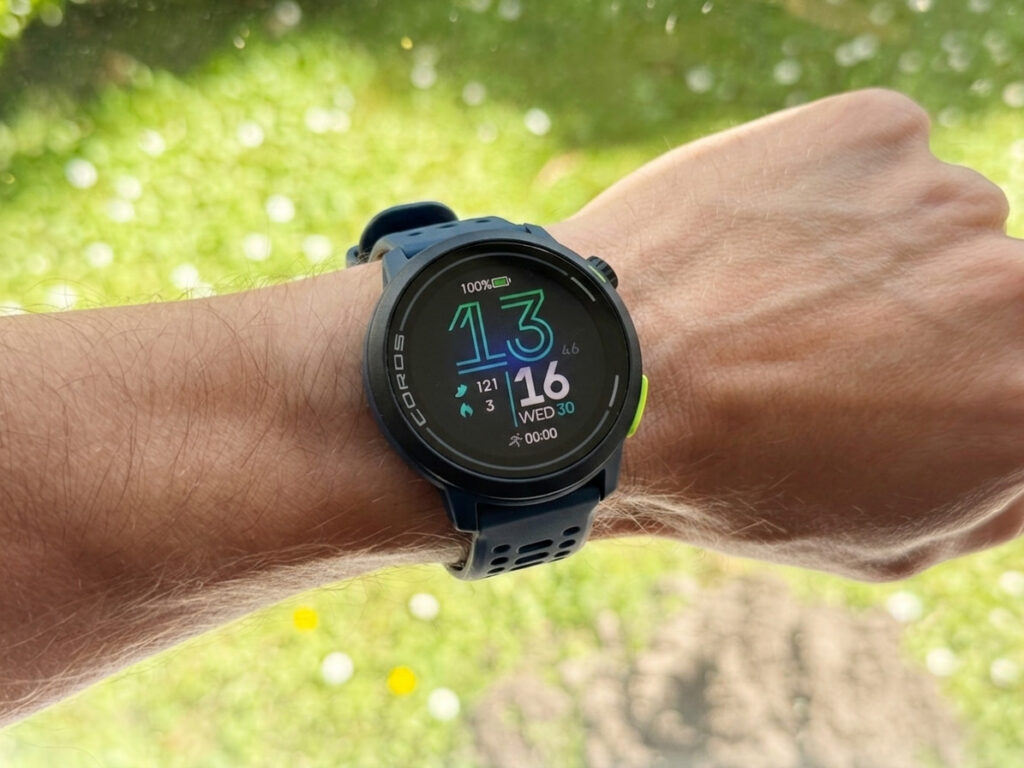
The Pace Pro is COROS’s first AMOLED touchscreen watch, launched in late 2024 at $429 CAD (~$299 USD). It is shockingly light at 37g with a nylon band, has offline maps baked in, and runs 38 hours in GPS mode. For the price, nothing on this list comes close to that combination.
COROS has also been steadily improving its triathlon-specific features. As of the September 2025 firmware update, the triathlon mode includes proper transition times. The COROS app is clean and easy to read, though it is less deep than Garmin Connect when it comes to training load analysis and third-party integrations. It does support Strava sync and basic TrainingPeaks export, which covers most recreational athletes.
One gap that matters: COROS watches only support Bluetooth pairing, not ANT+. If you use a power meter or HR strap that is ANT+-only, this is a real issue. Most newer accessories are dual-protocol, but it is worth checking before you buy.
The other thing COROS does not offer is music playback. No Spotify, no offline tracks. If you train with music through your watch, this rules it out.
Pros
Cons
Best for: budget-conscious triathletes who want long battery life, offline maps, and clean training data without paying the Garmin premium.
Where to find: Amazon CA | Amazon US
Suunto Race S
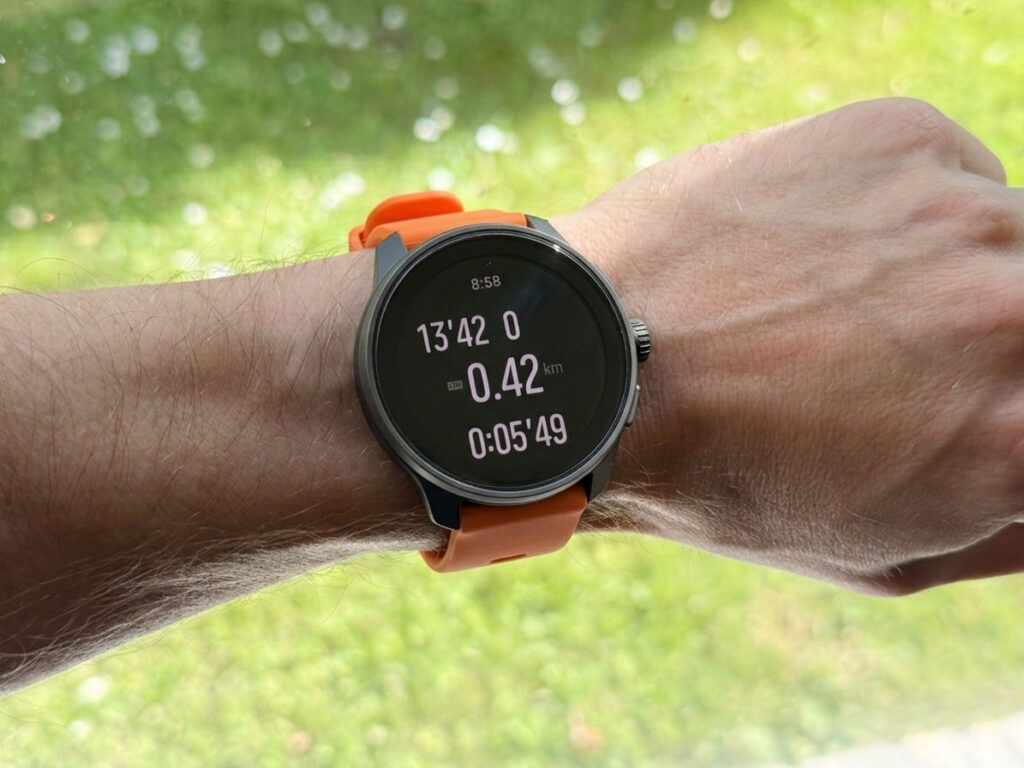
The Race S launched in mid-2024 at around C$429 ($349 USD) and is Suunto’s compact alternative to the larger Race. It has a 1.32″ AMOLED display, dual-band GPS, 32GB of offline map storage, and a digital crown alongside the touchscreen. At 52g, it is slightly heavier than COROS but still comfortable for daily wear.
Suunto’s main selling point has always been build quality, and the Race S holds that reputation. The stainless steel case feels noticeably more substantial than the plastic-framed Pace Pro at the same price. There is also a titanium version at C$499 if that matters to you.
The Suunto app has improved meaningfully in the past two years. It now includes sleep phase tracking, HRV monitoring — see HR Training Guide for how to actually use that data in training — Training Stress Balance (TSB) borrowed from TrainingPeaks, and an AI Coach feature. It is still not at Garmin Connect’s depth, but it is a legitimate training platform rather than a data dump.
GPS battery is the weakest point: 30 hours in GPS mode and only 9 days of daily use. That GPS number is fine for Olympic and half-iron distances but tighter than COROS. The daily battery is noticeably shorter than the other two, which means charging more often.
Pros
Cons
Best for: triathletes who want a premium feel at a mid-range price, navigation on longer rides, and don’t want to pay the Garmin tax.
Where to find: Amazon CA | Amazon US
A Note on Apple Watch
Apple Watch Ultra 2 comes up in every triathlon watch conversation because it is heavily marketed and a lot of people already own one. It has auto-transitions, dual-band GPS, and a capable heart rate sensor. For sprint and Olympic distance racing, it works.
The two things it does not match on are training software depth and battery life for longer events. There is no HRV-based training readiness, recovery metrics are basic compared to Garmin, and TrainingPeaks integration is not as seamless. GPS battery runs to around 12 hours in standard mode (longer in power-save modes, but accuracy drops). For a half-iron or full iron, that becomes a concern.
If you are already in the Apple ecosystem and mostly do sprint triathlons, the Ultra 2 is not a bad watch. But it is not a purpose-built triathlon tool, and at $800 it costs significantly more than any watch on this list.
Which One Should You Buy?
- If you train with data: get the Garmin Forerunner 570. TrainingPeaks, Zwift, structured workouts, and Triathlon Coach all work smoothly. You pay for it (~$629.99 CAD), but the platform is worth it if you actually use it.
- If you want the best value: get the COROS Pace Pro (~$429 CAD). Nothing at this price matches it for GPS battery life, weight, or offline maps. The training software is good enough for most self-coached athletes.
- If build quality matters to you: get the Suunto Race S. Similar price to COROS with a more premium feel, ANT+ support, and a strong app. The shorter battery life is the trade-off.
- If you are just starting out or on a tighter budget: you don’t need any of these. Take a look at the Best Budget Running Watches in 2026 for a more entry-level starting point.
All three watches handle triathlon mode well. Swim-to-bike-to-run transitions work reliably. Dual-band GPS accuracy is solid across the board. The differences come down to ecosystem, battery, and price. Pick based on what you will actually use.
Related Posts
- Not ready to spend $400+ yet? Compare two budget-friendly options first: Garmin Forerunner 70 vs 170
- Getting started with triathlon gear overall? See the minimum you actually need: Triathlon on a Budget: The Minimum Gear You Actually Need
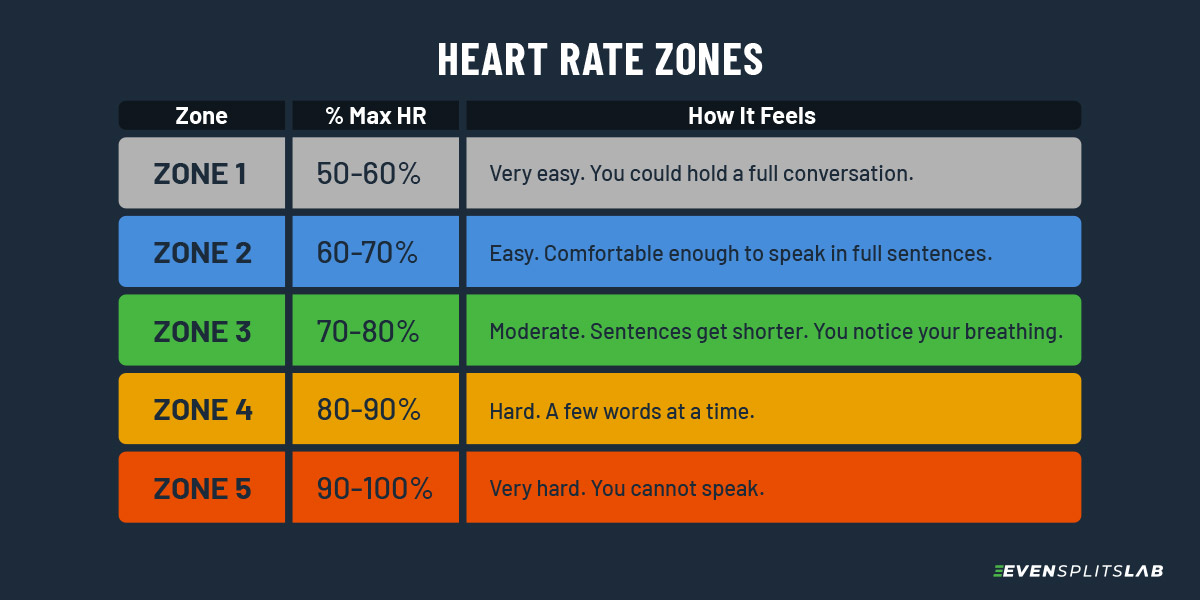
- Understanding heart rate zones matters more than which watch you buy: How to Read Your Heart Rate Zones
- If you want to know what brick workouts are and why they matter for race day: Brick Workouts Explained
Sources
- Garmin Forerunner 570 official product page: garmin.com
- COROS Pace Pro official product page and specs: coros.com
- Suunto Race S official product page: suunto.com