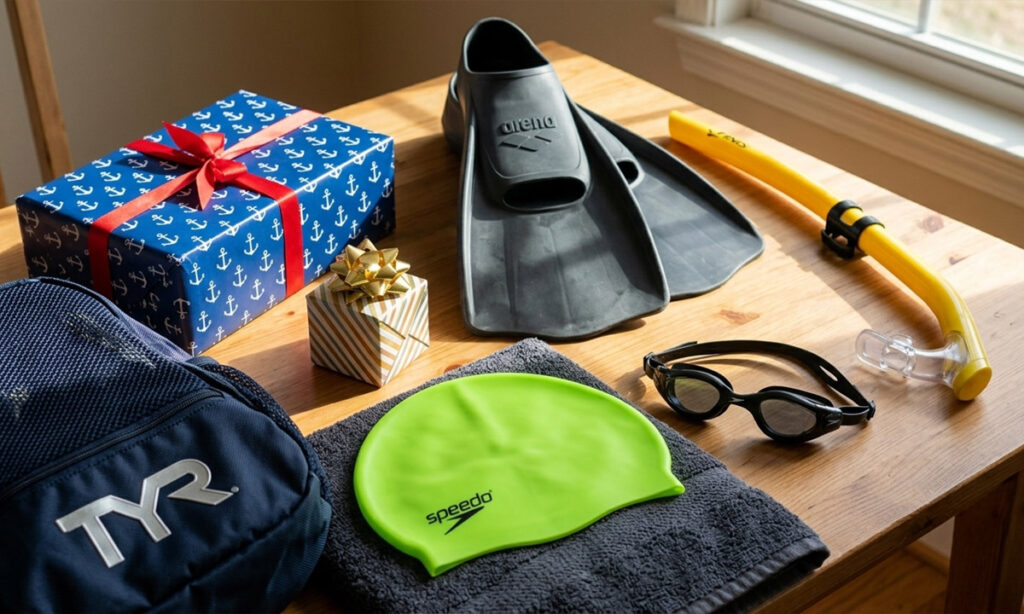
Buying gear for a swimmer is harder than it looks if you don’t swim yourself. Goggles fog, caps rip, and half the accessories on Amazon look more like torture devices than training tools. The good news is that swimmers actually use a short, predictable list of gear, and most of it is cheap. If you’re shopping for a triathlete more broadly, our triathlon gift ideas roundup covers more ground. Buying for a runner instead? Here’s our gift guide for runners. But if it’s swim kit you’re after specifically, here’s a rundown of the best gifts for swimmers in 2026, picked for things people actually reach for in their swim bag, not stuff that ends up in a drawer.
Most of this list costs less than a single drop-in spin class. A couple of the last picks are proper splurges, the kind of thing a swimmer knows exists but wouldn’t buy for themselves.
Key Takeaways
- Most swim gear gifts are inexpensive and get used constantly, not just once.
- Goggles and a pull buoy are the safest starting points if you’re not sure what someone needs.
- Open water swimmers and pool swimmers have slightly different gear priorities.
- Two picks at the end are genuine splurges for the swimmer who already has the basics covered.
Pool Essentials
Pull Buoy
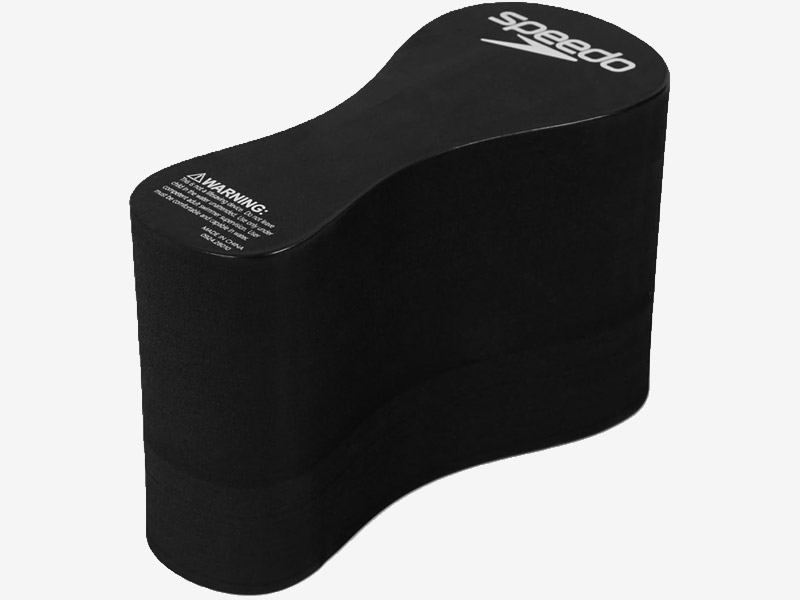
A pull buoy is one of the cheapest ways to fix bad swim form. Wedge it between your thighs and your legs stop doing any work, which forces your arms and core to carry the whole stroke. It’s not glamorous, but almost every masters swimmer owns one. It’s also a good pick for someone working through a leg injury who still wants pool time, we’ve got more on that in our guide on keeping your fitness while injured.
Swim Goggles
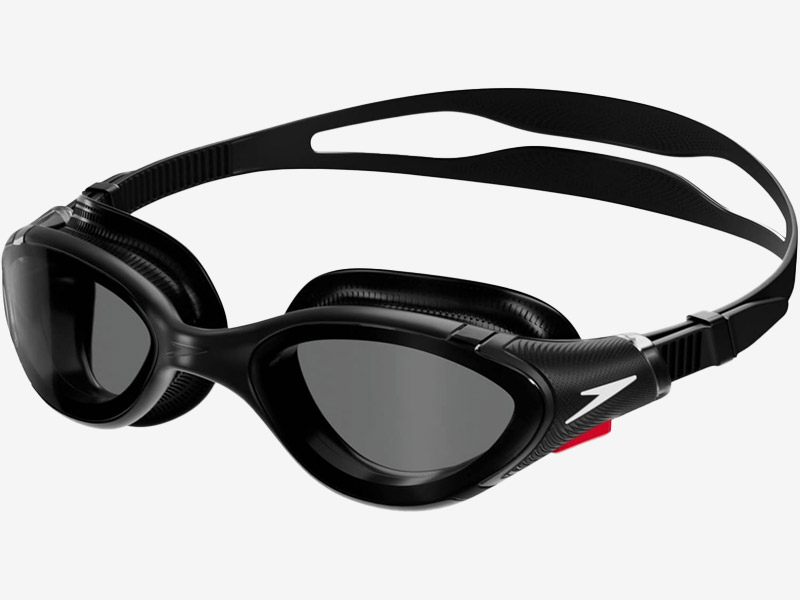
Goggles are the one gift a swimmer will notice on day one. Speedo’s Biofuse 2.0 is a mid-range option with a soft silicone seal that adjusts to different face shapes without leaving a dent for an hour after you get out. Not the most technical goggle out there, but a safe pick if you don’t know your giftee’s face shape or prescription needs.
Swim Cap
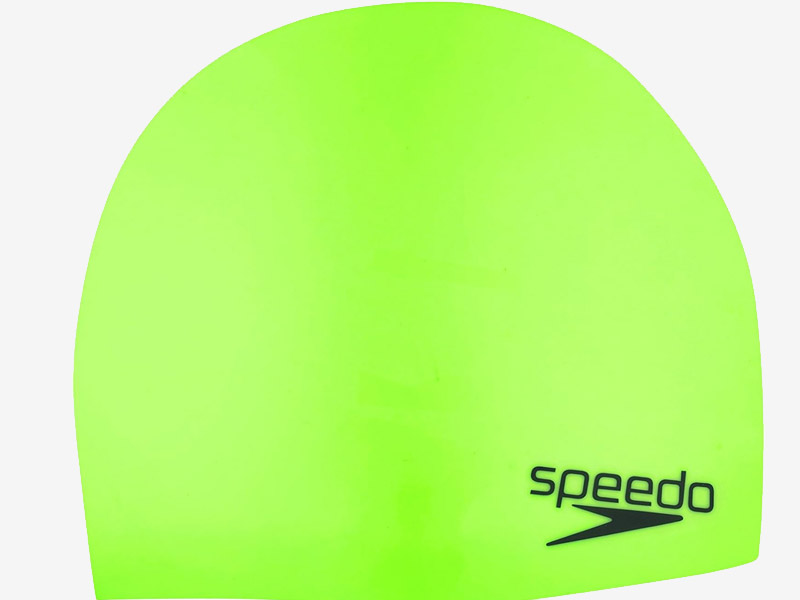
A decent silicone cap keeps hair out of the way, cuts a bit of drag, and doesn’t rip the first time someone pulls it on. Speedo’s elastomeric version is a reasonable step up from the flimsy latex caps handed out free at most pools. Small gift, but the kind of thing swimmers go through regularly and rarely replace on their own.
Technique and Training Gear
Swim Paddles
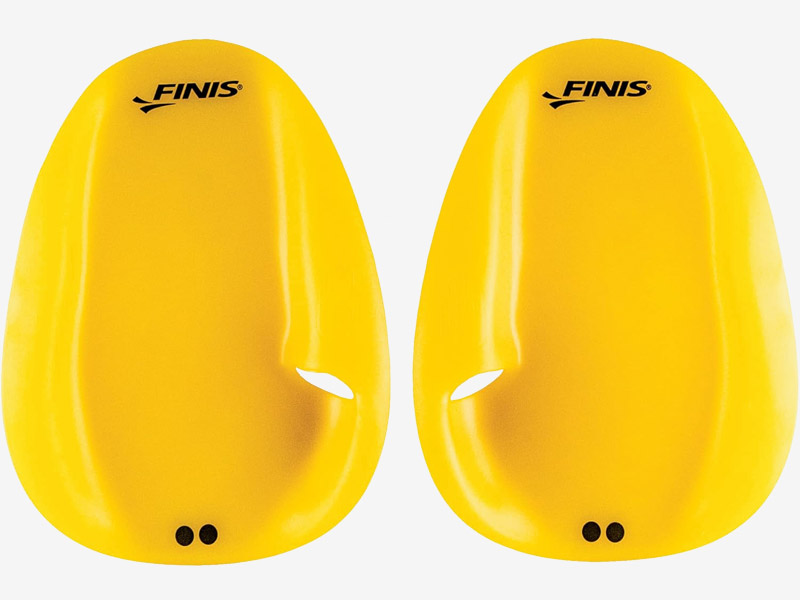
Most paddles strap to your hand and sit there whether your technique is any good or not. FINIS Agility paddles skip the strap entirely, so a poor catch or a dropped elbow just makes the paddle fall off mid-stroke. That built-in feedback is why a lot of coaches recommend them for technique work, not just for building strength.
Swim Fins
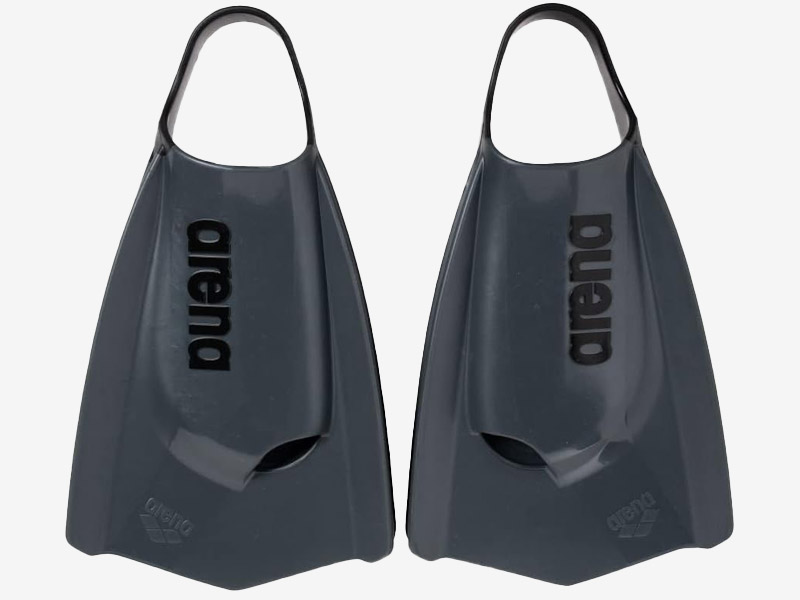
Short-blade fins like these are for kicking drills and speed work, not for turning someone into a human motorboat. The silicone blade is stiff enough to build ankle flexibility and leg power without being as hard on the knees as long free-diving fins can be. A solid pick for a swimmer serious about their kick, or a triathlete who wants to feel less like a brick in open water.
Swimmer’s Snorkel
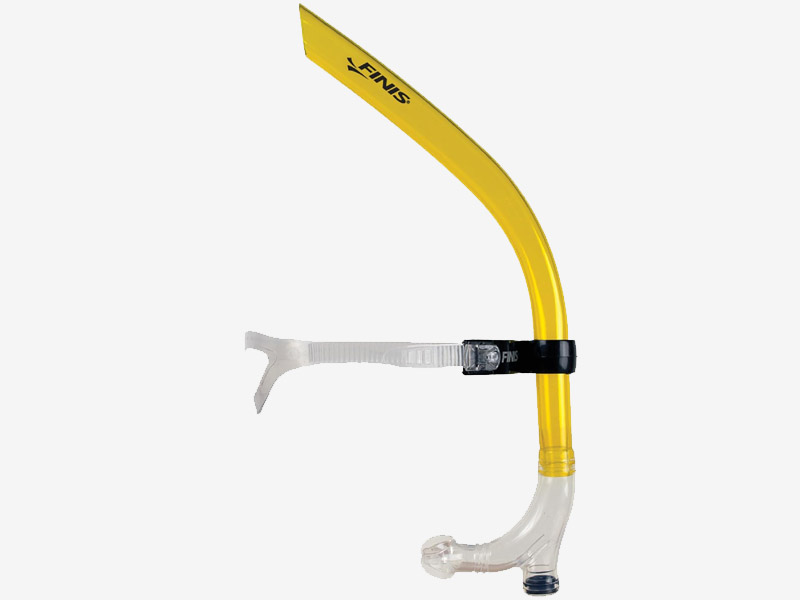
A centre-mount snorkel takes breathing out of the equation entirely, which sounds like cheating until you realize it lets a swimmer focus on body position and stroke mechanics without turning their head every three strokes. Coaches use these constantly for technique sets. It looks a little ridiculous out of the water. Nobody cares once they’re in it.
Open Water Extras
Open Water Swim Buoy with Dry Bag
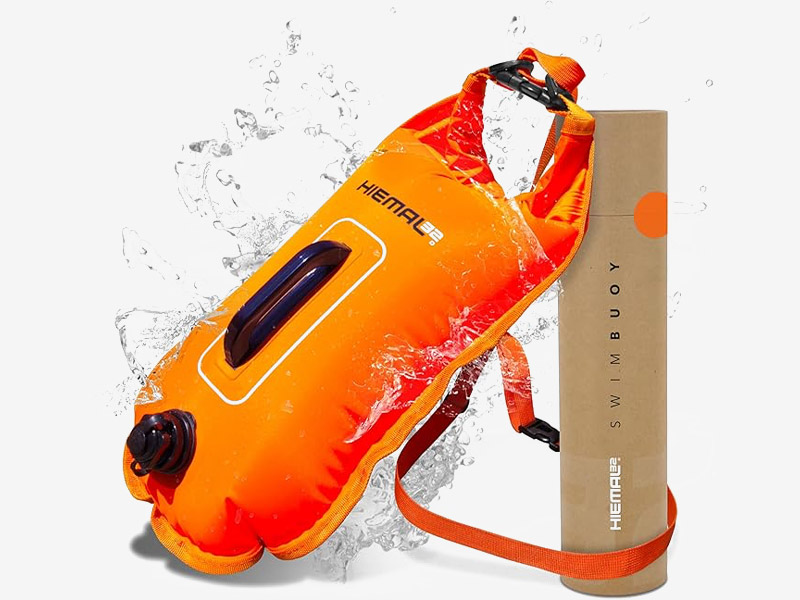
For anyone training in open water, this is closer to a safety item than a gift novelty. It floats behind the swimmer, holds keys and a phone in the 15L dry compartment, and makes them visible to boats and paddleboarders from a distance. If you know a triathlete who trains in lakes or the ocean, this is one of the more genuinely useful things on this list. More on the basics in our guide to open water swimming for beginners.
After the Swim
Microfiber Towel
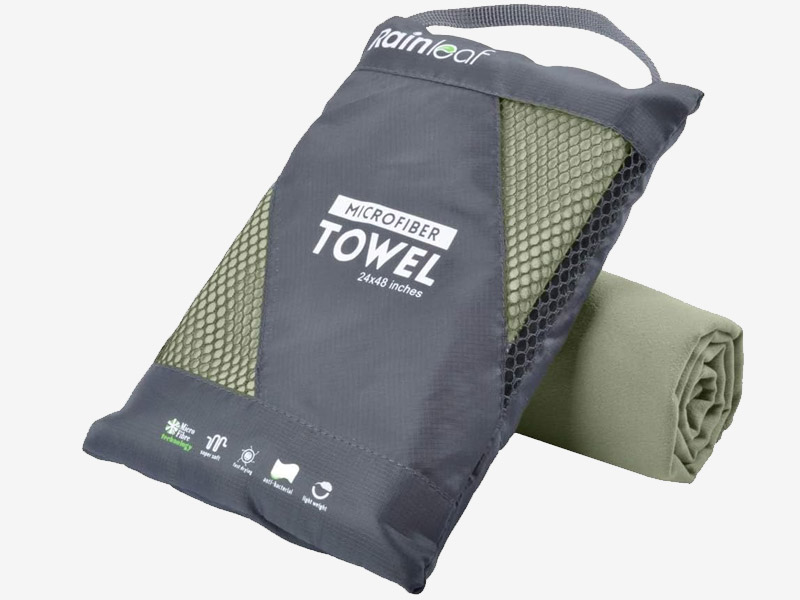
Not exciting, but every swimmer needs one, and most are using a towel that’s seen better days. Microfiber packs down small, dries fast, and doesn’t turn into a soggy brick in a gym bag the way a regular towel does. Good stocking-stuffer territory.
Mesh Backpack
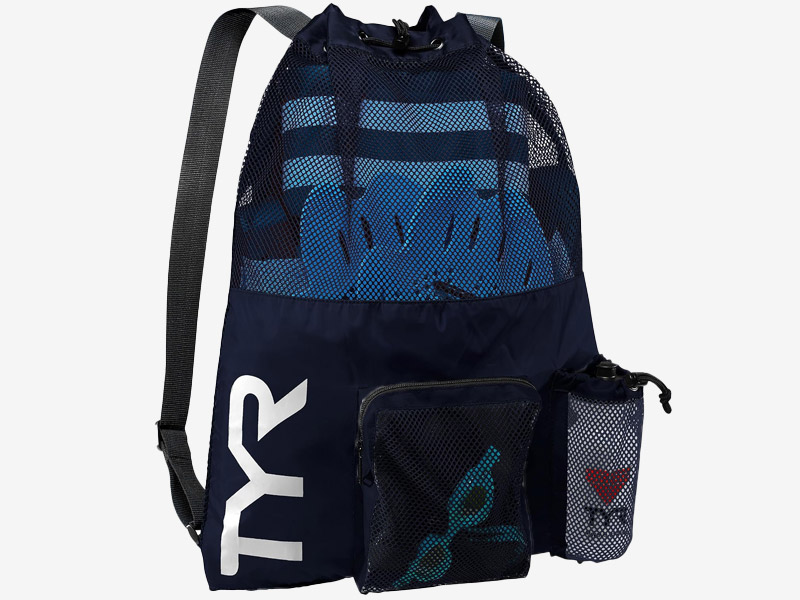
A mesh bag is for hauling everything from the change room to the pool deck and back without it turning into a two-trip job. Once you’re carrying fins, goggles, paddles, and a buoy at the same time, a proper bag is what makes that a one-hand carry instead of an armful of loose gear. The mesh also lets everything dry out between sessions, so it’s not growing something unpleasant in a sealed bag by Friday. 40 litres covers a full swim kit.
The Splurges
Everything above is the kind of thing you don’t think twice about buying. These two you do. Worth it if the swimmer’s serious about training, unnecessary if they’re not.
FORM Smart Swim 2 Goggles
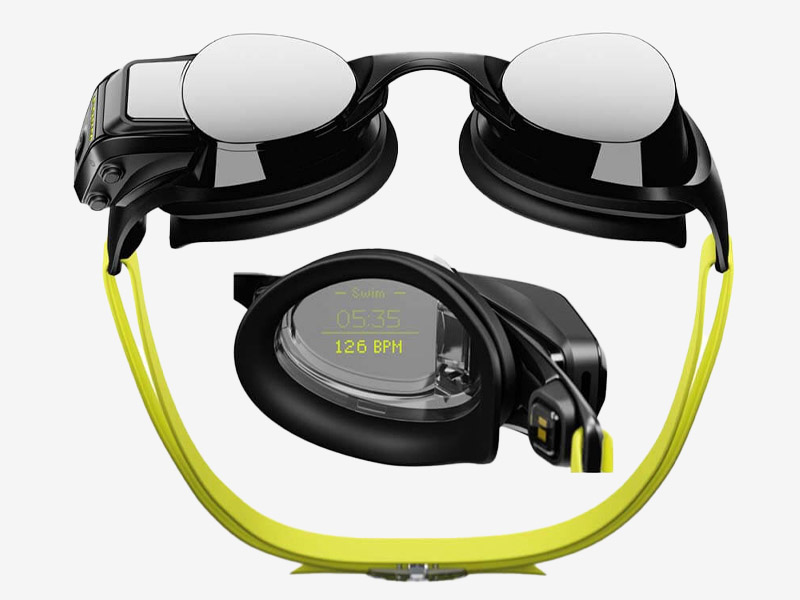
These are goggles with a small display built into the lens, showing pace, distance, stroke rate, and heart rate in real time, no stopping to check a watch on the pool deck required. No subscription is needed for the core features. It’s a genuinely different way to train, and it’s the kind of gift for a swimmer who already has the basics covered and wants something they wouldn’t buy for themselves. We went deeper on these in our full smart swim goggles review, worth a read if you’re deciding whether they’re worth it.
Suunto Aqua Headphones
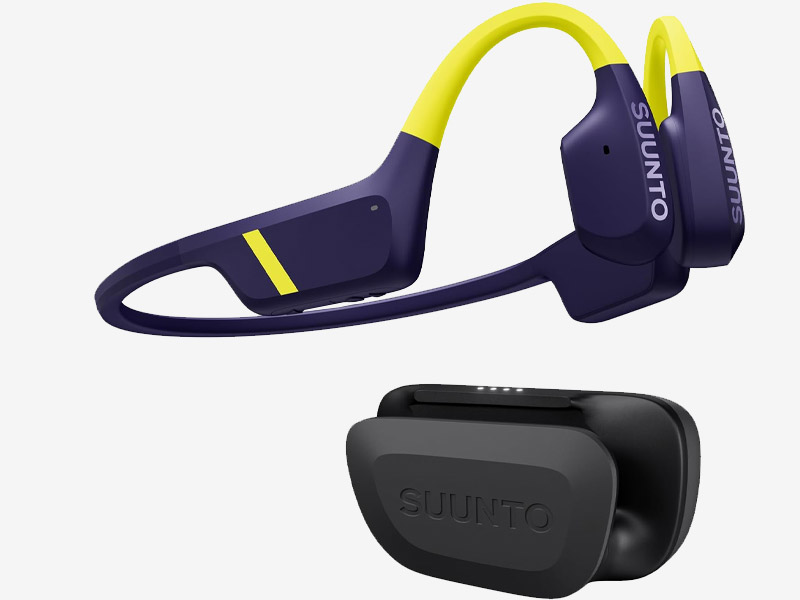
Bone conduction headphones that work underwater solve a real problem: staring at a black line for an hour gets old. These store music or podcasts directly on the headphones, so no phone is needed poolside, and they tend to stay in place better than earbuds through flip turns. IP68-rated, built for the kind of abuse a pool actually puts gear through. The other big splurge on this list, and probably the one most people would actually ask for.
Which One Should You Actually Buy?
None of this needs to be complicated. If you’re only buying one thing, go with the goggles or the pull buoy, the two items almost every swimmer replaces on repeat. If you want to go bigger, the FORM goggles or the Suunto headphones are real gifts, the kind of thing swimmers know about but don’t usually buy for themselves.
For the swimmer who’s started riding too, see gifts for beginner cyclists.
FAQ
Q: What’s a good gift for a beginner swimmer?
Start with the basics they’ll actually use: a comfortable, non-prescription pair of goggles and a pull buoy. Both are inexpensive and useful from day one, before someone knows what kind of swimmer they’ll become.
Q: Are swim goggles a safe gift if I don’t know their prescription?
Usually, yes, as long as you pick a standard pair rather than a prescription one. Most swimmers own a few pairs anyway and can swap them out later. Save prescription goggles for someone who’s asked for them specifically.
Q: What do open water swimmers need that pool swimmers don’t?
Visibility and safety gear, mainly, with a tow buoy being the main one. Pool swimmers don’t need to worry about being seen by boats or losing track of the shoreline.
Q: Is a swim snorkel actually useful, or just a gimmick?
It’s a real training tool. Coaches use centre-mount snorkels regularly for technique work because it removes breathing from the equation, letting a swimmer focus purely on body position and stroke mechanics.